About
Britney Duner, LCSW — Child & Family Therapist, PCIT Clinician, and Parent Educator
Connected Parent grew out of clinical practice — the same explanations, scripts, and strategies shared in therapy rooms, made available to parents who can't always get an appointment.
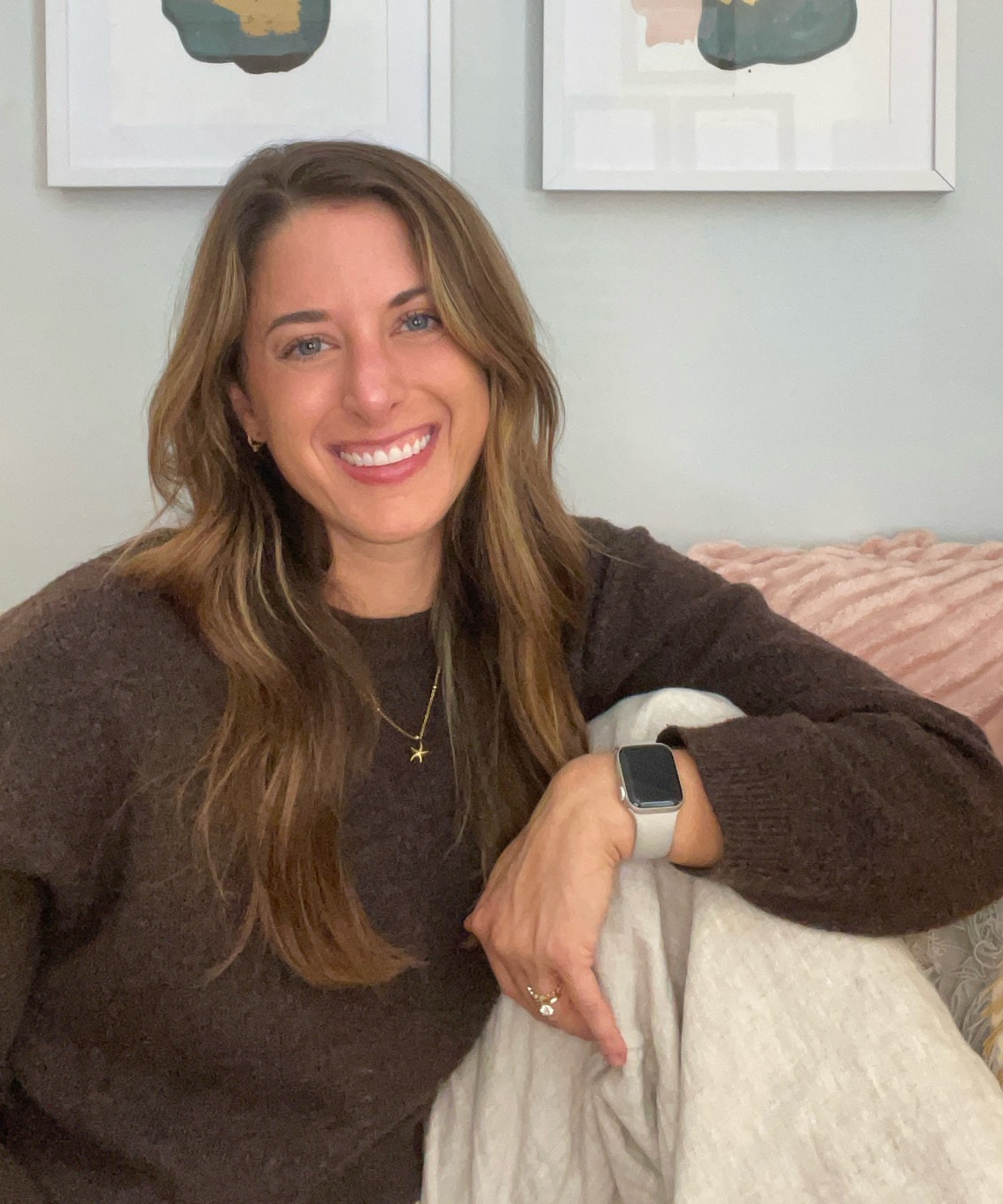
Professional bio
Britney Duner, LCSW is a licensed clinical social worker, child and family therapist, PCIT-certified clinician, parent educator, and researcher. For more than a decade she has worked with children, teens, and families in outpatient child and adolescent psychiatry, schools, and community mental health, with a focus on ADHD, anxiety, autism, trauma, emotional regulation, and challenging behavior. She is the founder of Connected Parent and a principal investigator on a University of Florida clinical research study of Parent-Child Interaction Therapy.
Who Britney is
Hi, I’m Britney.
I’m a licensed clinical social worker, child and family therapist, and mom. I created Connected Parent because I believe parents deserve more than advice that sounds good in theory.
But over the years, I’ve learned something that goes beyond any particular therapy approach.
Parents don’t need more judgment. They need to understand what’s happening, know what to do next, and feel confident that they’re not failing their child.
Clinical background
For more than a decade, Britney Duner, LCSW has worked with children, teens, and families in outpatient child and adolescent psychiatry, schools, and community mental health. She is certified in Parent-Child Interaction Therapy (PCIT) and uses evidence based approaches including cognitive behavioral therapy (CBT), dialectical behavior therapy (DBT), motivational interviewing, and trauma focused CBT.
Parent and child expertise
Her clinical work focuses on helping parents understand the why behind their child’s behavior, particularly when navigating ADHD, anxiety, autism, trauma, emotional regulation, and challenging or disruptive behaviors.
PCIT experience
Britney became a certified PCIT therapist in April 2024 after training at Auburn University under Dr. Elizabeth Brestan-Knight. She serves as a principal investigator on a University of Florida clinical research study examining the potential benefits of Parent-Child Interaction Therapy for children and their caregivers, and presented "Biobehavioral Insights and Fit in Parent-Child Interaction Therapy (PCIT) Implementation" at the 2026 PCIT International Convention.
ADHD and child behavior
Much of her work centers on children with ADHD and other behavior concerns, helping parents move from reacting to behavior to understanding what is driving it and what to do next.
Parent regulation and caregiver stress
Britney’s clinical and research interests include caregiver stress and regulation: how a parent’s own nervous system shapes hard moments, and how parents can build their own regulation skills alongside their child’s.
Credentials
Qualifications
Doctor of Social Work (DSW) — anticipated November 2026 Licensed Clinical Social Worker (LCSW) in Florida & Illinois A.M. in Social Service Administration B.S. in Child Psychology
Training
Parent-Child Interaction Therapy (PCIT) Certified Therapist SPACE Trained Therapist School Social Worker Endorsement (IL)
Experience
Child & Family Therapist in outpatient academic medical settings Clinical educator for psychiatry fellows and residents 10+ years as a school social worker 5+ years in private practice PCIT-certified clinician specializing in child and family mental health
Research and academic work
Britney Duner, LCSW is a co-author of peer-reviewed research published in Frontiers in Psychology and a principal investigator on an ongoing PCIT clinical study. Her academic work explores how stress, regulation, relationships, and behavior intersect in families.
Professional presentations and publications
You can read her full publication record and current clinical research on the Research & Publications page.
Peer-reviewed publication
Co-author of a 2025 Frontiers in Psychology study on adversity, autonomic reactivity, mindful awareness, and current functioning.
Read the publicationClinical research
Principal investigator on a University of Florida study examining Parent-Child Interaction Therapy and caregiver functioning.
View the clinical trialProfessional presentations
Presenter on PCIT implementation, caregiver stress and physiology, clinical coding, and culturally responsive practice.
See presentationsPCIT-related work
PCIT-certified clinician, clinical educator, and parent educator translating evidence-informed ideas into practical support.
Learn about PCITBritney Duner, LCSW brings clinical practice, research, and professional education together through Connected Parent, turning evidence-informed ideas into clear support for everyday parenting.
Connected Parent
That’s what led me to create Connected Parent.
I wanted to take the things I teach families in the therapy room, including the explanations, strategies, scripts, and practical tools, and make them accessible to parents wherever they are. Because knowing why your child is melting down is helpful, but knowing what to actually say and do when it’s happening in your kitchen is even more helpful.
Here, you’ll find practical, evidence based parenting and mental health education designed for real life: the meltdown in the grocery store, the bedtime battle, the child who won’t listen, the teenager who shuts down, and the parenting moments that leave you wondering, “Am I doing this right?”
And as a mom myself, I know that parenting isn’t about getting everything right. It’s messy, exhausting, rewarding, frustrating, and sometimes all of those things in the same five minutes.
My goal is not to help you become a perfect parent.
It’s to help you feel more confident, more connected, and better equipped to understand your child, even on the really hard days.
Because when we understand what’s underneath the behavior, we can respond differently.
And sometimes, that small shift can change everything.
Philosophy
- Behavior is communication. Before we change what a child does, we work out what it is telling us.
- Connection comes before correction — limits land when the relationship feels safe.
- Parents are not the problem to be fixed; they are the most powerful intervention available.
- Trauma-informed means we ask what happened, not what's wrong.
- Evidence-based, plainly explained: strategies drawn from developmental science, attachment research, and behavioral parent training.
Follow Britney Online
Britney shares practical parenting education and mental health-informed content on TikTok and Instagram, covering child behavior, ADHD, emotional regulation, connection, boundaries, and parent support.
Get in touch
Questions or looking for a place to start? Explore the free guides or reach out through the contact details in the site footer.
Start here